From website form to CRM in 30 seconds: the lead capture wiring guide
A lead fills out your form at 11:48pm. Here's the wiring that gets them into your CRM, notifies the right person, and queues the follow-up — before your competitor calls back.
5 min readBy Nick Hayghe
This post is one piece of a bigger playbook — Your tools, finally working together: the integration playbook. That guide covers the whole approach: audit your stack, pick one home per kind of data, wire the flows that hurt most. This is the deep dive on one of those flows: getting website leads into your CRM without a human in the middle.
Disclaimer up front: there's no AI in this one. Just a form that doesn't go to voicemail.
The flow, in one tick line
Here's what good looks like:
lead: captured → qualified → booked ✓ 11:48pm
A visitor fills out your contact form at 11:48pm. Thirty seconds later, they're a record in your CRM — name, email, phone, what they asked for, which page they came from. The right salesperson gets a text. A follow-up task lands on tomorrow's list. Nobody touched anything.
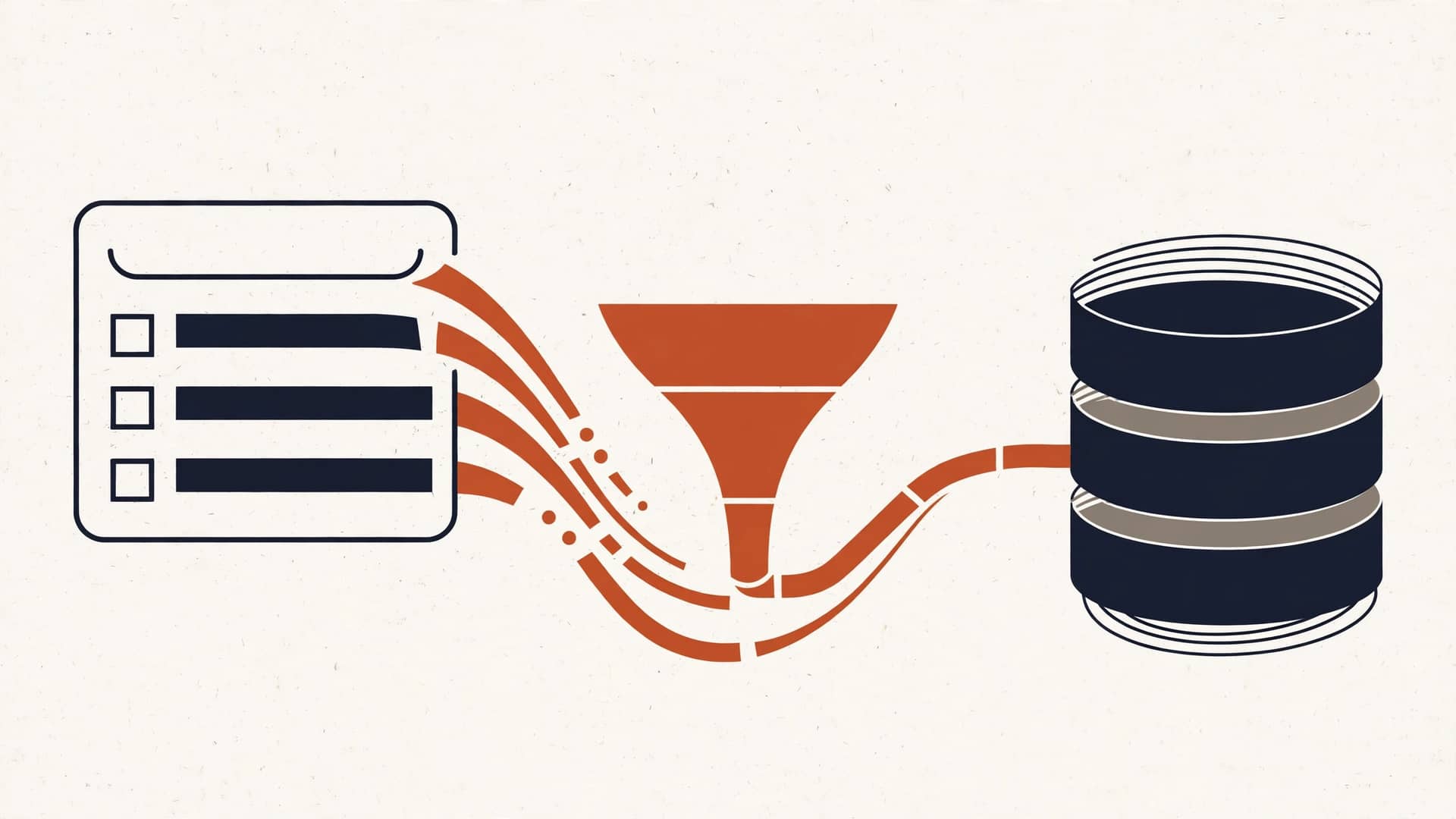
That's the whole thing. Form → CRM → notify → follow-up. Four steps, zero humans.
What breaks today
Now here's what usually happens instead:
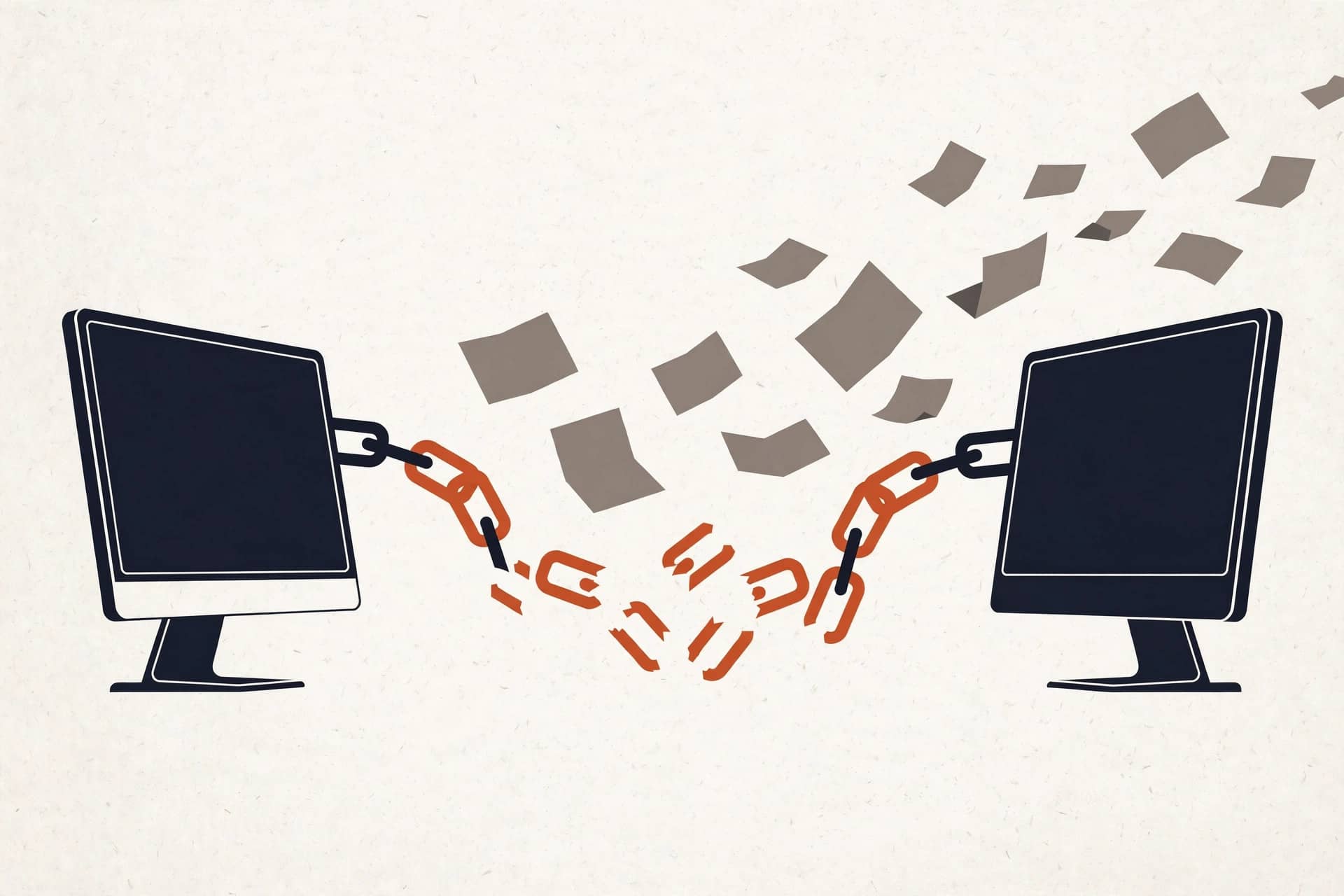
The inbox graveyard. The form emails somebody — often an address nobody checks on weekends. The lead sits there. Monday morning, someone forwards it to sales. That's a 48-hour head start you just gave your competitor.
The spreadsheet of shame. Somebody copies leads into a spreadsheet "temporarily." The spreadsheet becomes permanent. Nobody trusts it, everybody adds to it, and follow-ups fall through the cracks because a spreadsheet can't tap you on the shoulder.
The 6-hour lag. Even on a good day, the lead waits while someone finishes what they're doing, opens the email, opens the CRM, retypes everything, and assigns it. Six hours is normal. In that time, the lead has visited three other sites.
lead: form submitted 11:48pm ✗ email sits unread ✗ retyped Tuesday ✗ competitor called Monday ✓ (for them)
Speed matters here more than almost anywhere else in your business. The first company to respond usually wins the job. Every hour of lag is money walking out the door.
The after-hours test
Here's a question worth asking: what happens when a lead arrives at 11:48pm?
For most businesses, the answer is "nothing, until morning." But think about when your customers actually fill out forms. The homeowner with the leaking pipe searches at 10pm after the kids are in bed. The office manager who needs a bookkeeper does it Sunday night before the week starts. A big share of web leads arrive outside business hours — exactly when nobody's watching the inbox.
The wiring doesn't sleep. The 11:48pm lead gets the confirmation text at 11:48pm, the salesperson gets the notification at 11:48pm, and the follow-up task is waiting at 8am. Your competitor's inbox is still sleeping. That's not a technology advantage — it's just being awake when the customer is.
A lead that sits in an inbox for six hours is a lead your competitor just called.
Don't forget the leads you already have
One more thing while you're wiring the front door: check the basement. Most businesses have a pile of old leads sitting in inboxes and spreadsheets — people who asked for a quote six months ago and never heard back, or heard back too late.
Before the new wiring goes live, do one backfill: pull every unanswered lead from the last year into the CRM, tag them honestly ("old web lead — re-engage"), and work through them with a simple "still need help with this?" message. It's not glamorous, but old leads are the cheapest leads you'll ever get — you already paid to acquire them.
Then the new pipe makes sure the pile never grows again.
Common mistakes we see
- Too many fields on the form. Every field you add costs you completions. Name, contact info, and what they need — that's it. Qualify them after they convert, not before.
- No source tagging. "Website" isn't a source. Which page, which form, which ad. You'll want this data in six months and you can't reconstruct it.
- Notifications nobody reads. If the alert goes to an email inbox with 400 unread messages, it's decoration. Text the owner. Make it impossible to miss.
- No follow-up deadline. A lead with no follow-up task is a lead you're hoping someone remembers. Hope isn't a system.
What to wire, concretely
You don't need fancy software. You need five decisions:
- Every form feeds the CRM directly. Contact form, quote form, the "get a callback" box — all of them create a CRM record on submit. No email middleman.
- Tag the source. Which page, which form, which campaign. Six months from now you'll want to know which forms actually produce customers, and you can't get that back retroactively.
- Notify the right human, instantly. Text or Slack beats email. The notification should say the lead's name, what they want, and their phone number — everything needed to call back in one glance.
- Create the follow-up task automatically. "Call back within 2 hours" lands on the owner's task list the moment the lead arrives. If it's not a task, it's a wish.
- Confirm to the visitor. An instant "we got it, we'll call you by noon tomorrow" email or text. It buys you time and it beats silence.
That's the checklist. Most of it is configuration, not code — the form tool and the CRM you already have can usually do all five.
The objection: "We already get the form emails"
Sure — and how fast do you act on them? Be honest. The emails arrive, they pile up, and the follow-up happens when someone gets around to it. The wiring isn't about receiving the lead. It's about what happens in the 30 seconds after: recorded, routed, assigned, confirmed. Email can't do that. A pipe can.
The math
Say your website brings 20 leads a month and your close rate on fast follow-up is meaningfully better than on slow follow-up — that's not a stat, that's just how humans work. If one extra job a month closes because you called back in 10 minutes instead of 10 hours, and your average job is worth a few thousand dollars, the wiring pays for itself many times over. Forever.
This is the cheapest automation in the playbook, and it's usually the highest-return one.
Get a free tool-stack audit
Want to see where your leads are leaking? We'll trace your forms end to end, find the gaps, and show you exactly what the fix looks like. Book a free tool-stack audit